As Tax Day approaches, millions of Americans are preparing their returns, but missing the April 15 deadline could trigger a cascade of penalties and interest.
For taxpayers who owe money, the consequences of a late filing can be costly, with steep monthly charges and daily interest accruals that quickly add up.
Why It Matters
The Internal Revenue Service (IRS) imposes both failure-to-file and failure-to-pay penalties, each calculated based on the outstanding tax liability. Combined, these charges serve as a deterrent to filing late.
Roughly 43 million people wait until the last three weeks to file their taxes, according to an NBC News analysis of IRS data.
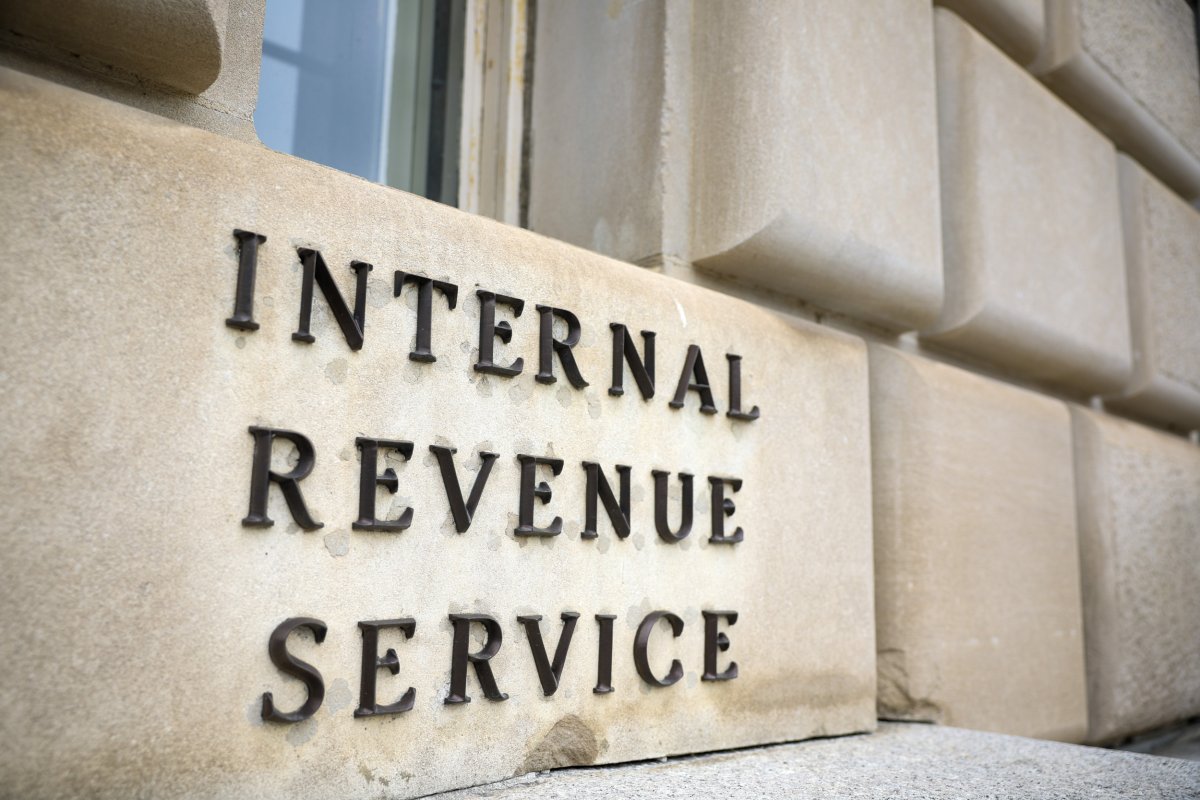
The Internal Revenue Service (IRS) Building is seen on February 20, 2025 in Washington, DC. The Internal Revenue Service (IRS) Building is seen on February 20, 2025 in Washington, DC. Tasos Katopodis/Getty Images
What To Know
The IRS automatically issues penalties when tax returns or payments are delayed without an approved extension. The failure-to-pay penalty is 0.5 percent of unpaid tax per month up to a maximum of 25 percent.
These fees are designed to incentivize timely compliance, but for filers facing unexpected circumstances, they can compound an already difficult situation. Taxpayers should understand the financial impact and available remedies in case they cannot file or pay by the deadline.
What is the deadline to file my taxes?
For most taxpayers, the filing deadline for 2024 income is April 15. Those who request a filing extension have until October 15, to submit their returns. Those needing more time to file must submit Form 4868 before the April 15 deadline to receive the automatic six-month extension.
However, the IRS emphasizes that an extension to file is not an extension to pay. Taxes owed are still due by the April deadline, regardless of whether an extension is granted.
“You can avoid a penalty by filing and paying your tax by the due date. If you can’t do so, you can apply for an extension of time to file or a payment plan,” the IRS said on its website.
How can I expedite my tax filing?
Taxpayers who qualify can use IRS Free File for simple returns or opt for electronic filing through commercial tax software, such as TurboTax.
Direct deposit is recommended for receiving refunds promptly.
Paying as much of the owed tax as possible by the original due date can reduce future penalties and interest. If full payment isn’t possible, setting up an installment agreement with the IRS can also reduce penalty rates.
What are the penalties for filing my taxes late?
If a return is filed after April 15 without an approved extension and the taxpayer owes money, the failure-to-file penalty kicks in immediately. This is 5 percent of the unpaid taxes for every month that the return is late—capped at 25 percent.
If a return is more than 60 days late, the IRS imposes a minimum penalty of 50 or 100 percent of the tax owed, whichever is less.
For taxpayers who owe and do not pay by the due date, a separate failure-to-pay penalty of 0.5 percent per month is assessed. If both penalties apply during the same month, the failure-to-file penalty is reduced to 4.5 percent, according to IRS guidelines.
How much interest will I owe?
Interest begins accruing the day after the tax deadline on any unpaid balance.
The current interest rate, adjusted quarterly, is the federal short-term rate plus 3 percent, compounded daily. For early 2025, this rate is 7 percent.
While the IRS allows for penalty abatement in cases of reasonable cause or first-time offenses, interest charges cannot be waived unless the associated penalty is also removed. Taxpayers seeking relief must provide documentation and a written explanation for review.
The IRS encourages taxpayers to pay what they can by the deadline, even if they cannot cover the full amount, as partial payments reduce the total balance subject to penalties and interest.
Payment plans and assistance options are available via the IRS website and through authorized tax professionals.
What People Are Saying
Kevin Thompson, the CEO of 9i Capital Group and the host of 9innings podcast, told Newsweek: “Even if you file an extension, that 0.5 percent penalty still adds up if you don’t pay what you owe. The only break? If you file on time and set up a payment plan, the failure-to-pay penalty drops to 0.25 percent per month. Bottom line—file something. Pay something. Don’t wait.”
Alex Beene, a financial literacy instructor for the University of Tennessee at Martin, told Newsweek: “It’s pivotal you get your tax information submitted on or before April 15th, and if extenuating circumstances are going to delay the process, you have a game plan for extensions that can give the IRS a timeline for their completion. The penalty amount for missing the yearly deadline is relatively small depending on the amount owed, but it can eat into your refund.”
Michael Ryan, a finance expert and the founder of MichaelRyanMoney.com, told Newsweek: “Extensions are your friend. You’ll get until October 15th to file, and they’re automatic once you request one. The catch? The extension only gives you more time to file the paperwork, not more time to pay. You still need to estimate what you owe and pay it by April 15th to avoid those nasty penalties.”
What Happens Next
While penalties will apply if you owe the U.S. government taxes, Americans should also file to make sure they don’t miss out on their refunds, which expire after several years.
“If the IRS owes you money, there’s no penalty for filing late. They’re perfectly happy to hold onto your cash interest-free,” Ryan said. “But don’t wait forever. You have until April 15, 2028, to claim your 2024 refund. After that, your money becomes a ‘donation’ to the U.S. Treasury.”